The colors of a chameleon are not a decoration chosen for beauty; they are a language of survival. Each change in shade is a response to danger, hunger, heat, or fear. What looks attractive to the eye is, in truth, a strategy to stay alive in a harsh environment. Nature teaches us that survival often wears many colors, none of them chosen for show.
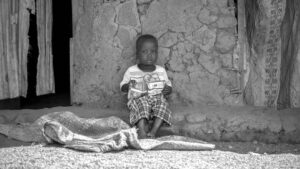
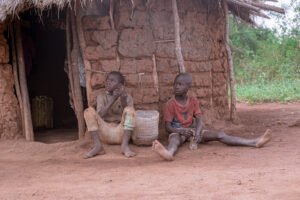
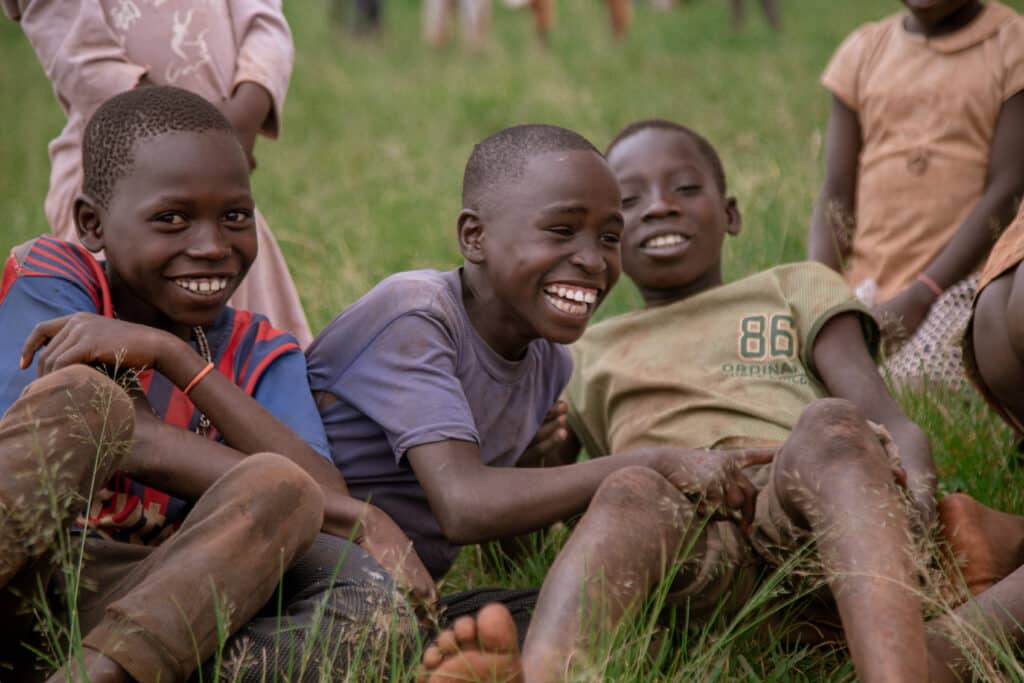
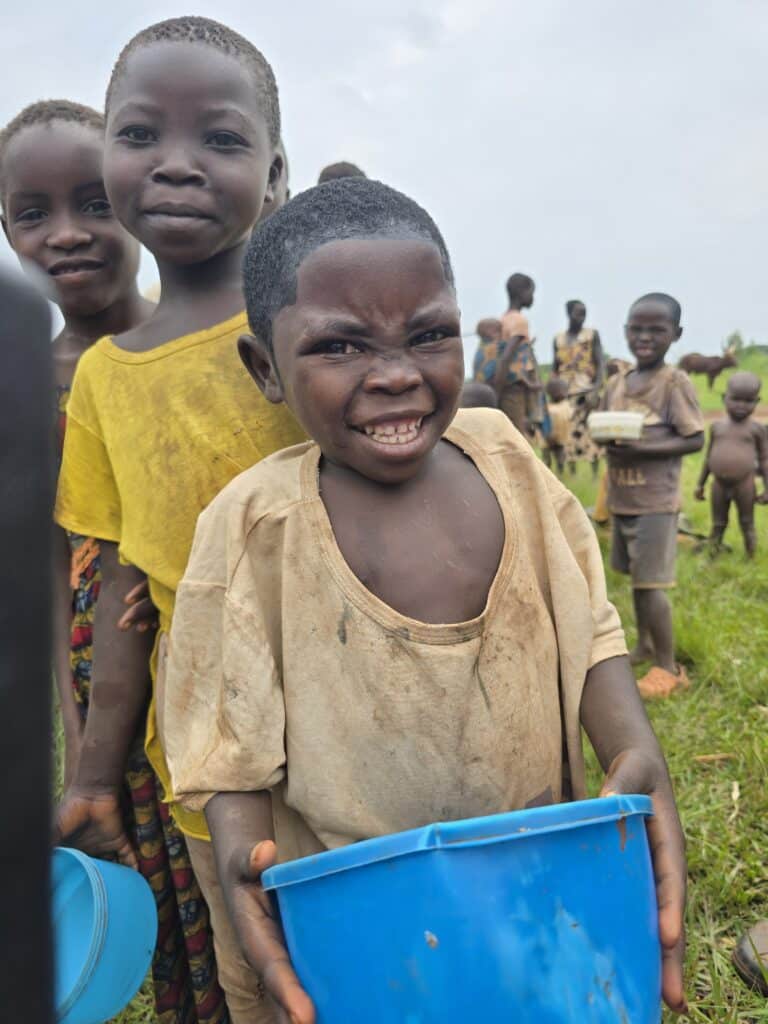
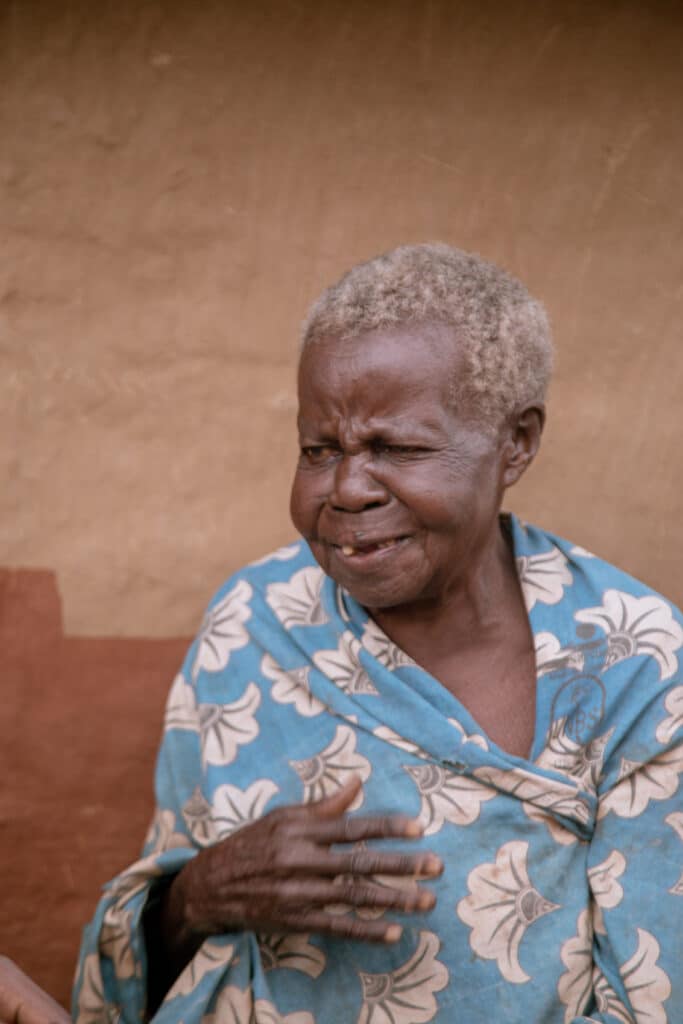
In the same way, the faces of poor children tell a story that is not acted or pretended. Their expressions are shaped by real hunger, real loss, and real uncertainty. There is no performance in their eyes—only life as it truly is. Just like the chameleon, they adapt because they must, not because they want to.
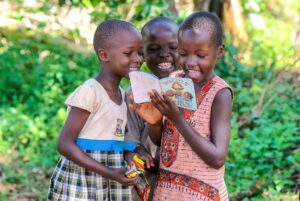
A child who smiles today may be doing so to remain strong, not because life is easy. A child who looks quiet may be carrying the weight of many unanswered needs. These faces are honest mirrors of daily struggle, shaped by circumstances far beyond their control. This is not drama; it is reality.
Poverty forces children to mature too early, to read situations quickly, and to adjust their behavior for survival. They learn when to speak, when to stay silent, when to hope, and when to endure. Like the chameleon blending into its surroundings, these children blend into hardship because standing out can be dangerous.
But survival should never be the final destination for a child. A child was created for joy, growth, and purpose, not for constant adaptation to pain. While nature leaves the chameleon to survive alone, humanity is called to do better for its children.
This is where JFM steps in—not to admire the struggle, but to confront it. JFM does not look at these children and call their pain “strength” or “character.” Instead, we see a problem that must be answered with compassion, action, and love.
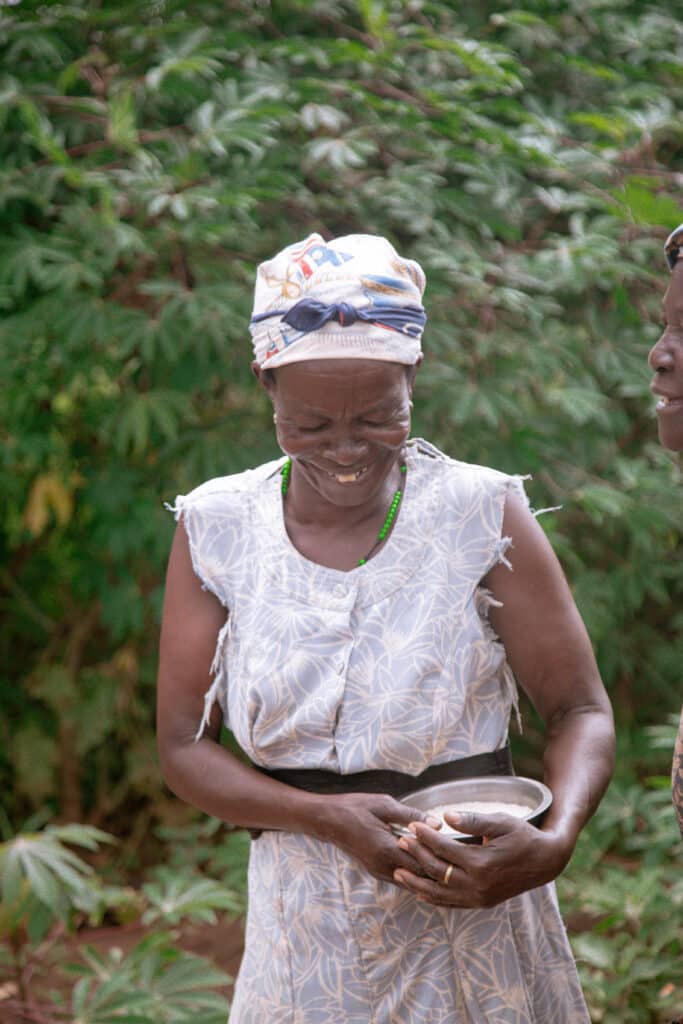
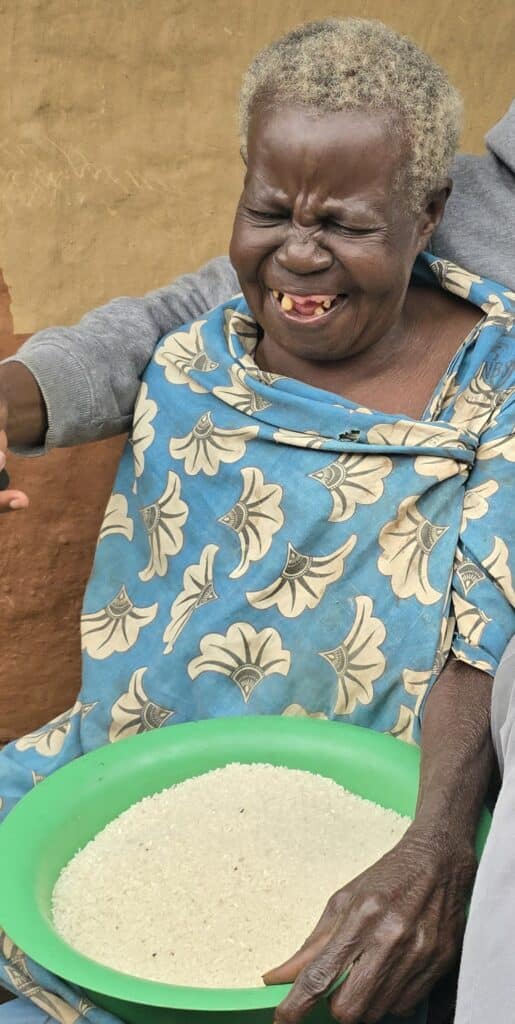
Through daily food, prayer, and the sharing of hope, JFM seeks to remove the need for children to “change colors” just to survive. A full stomach allows a child to relax their face. Kind words allow fear to loosen its grip. Consistent care reminds them they are seen and valued.
JFM understands that real solutions take time, faith, and commitment. Feeding a child today does not end poverty tomorrow, but it restores dignity today. And dignity is where healing begins. Each meal is a statement that survival alone is not enough.
These children do not need to pretend they are okay, and JFM does not ask them to. We meet them where they are, in their truth, in their need, and in their humanity. Their faces are not masks; they are testimonies of endurance.
Just as the chameleon’s colors reveal its fight to live, the faces of these children reveal a deeper cry for help. JFM chooses to answer that cry with action, faith, and love—believing that one day, these children will no longer need to survive, but will finally have the freedom to live.
About Author