
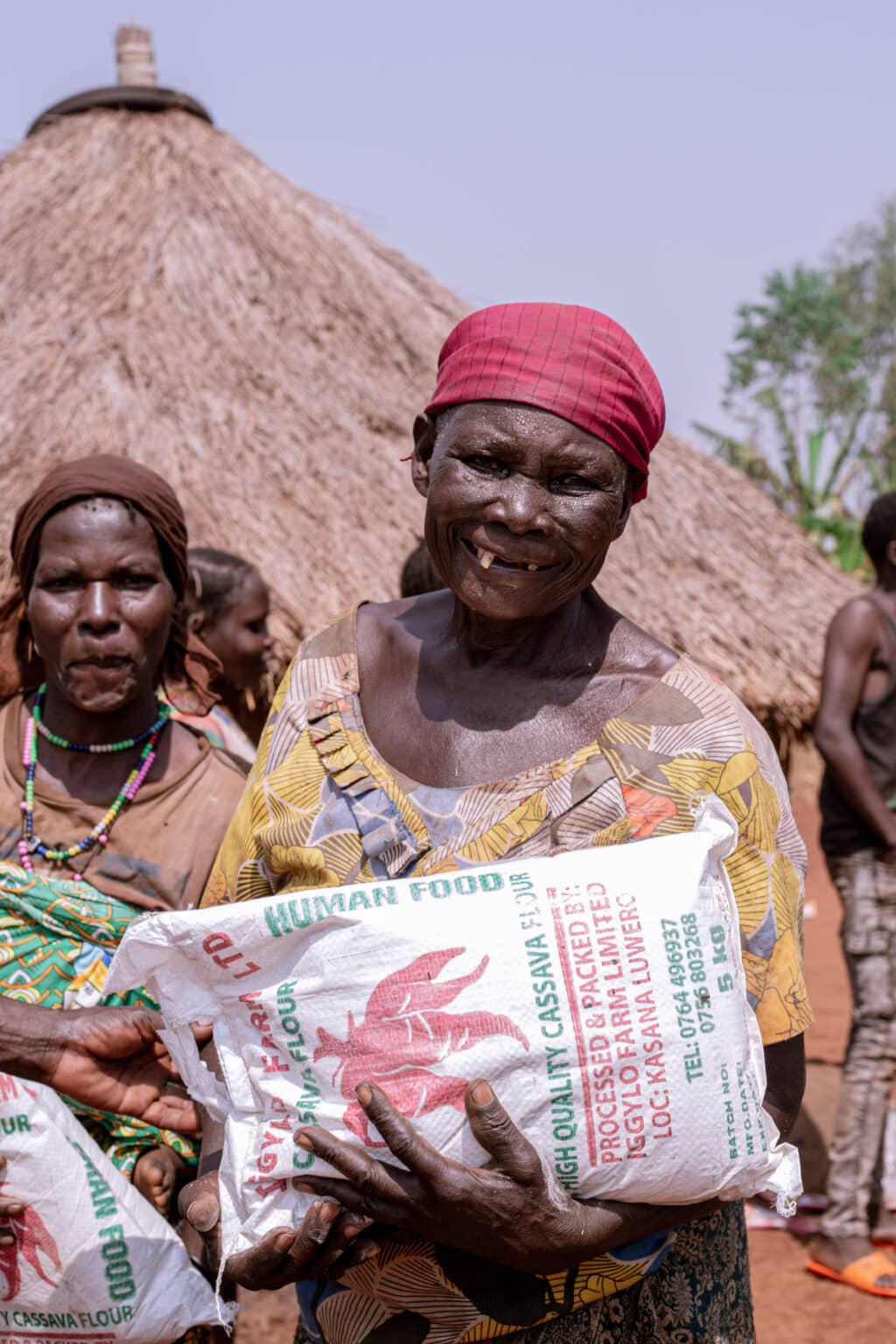
Today, through the grace of God, JFM was able to bless widows with food, and the moment spoke louder than many sermons. As we watched these women receive their portions, it became clear that hunger has its own language. Oppressed and hungry people may not first hear long explanations, but they clearly understand love expressed through food. Just as Jesus had compassion on the crowds because they were hungry, we were reminded that meeting physical needs opens hearts (Matthew 15:32).
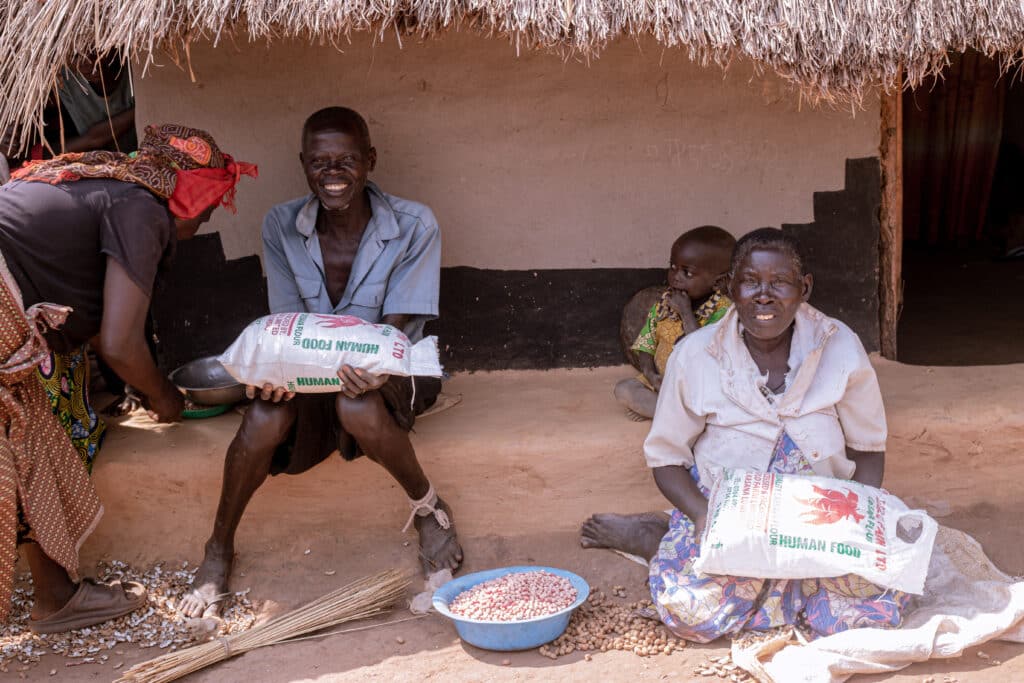
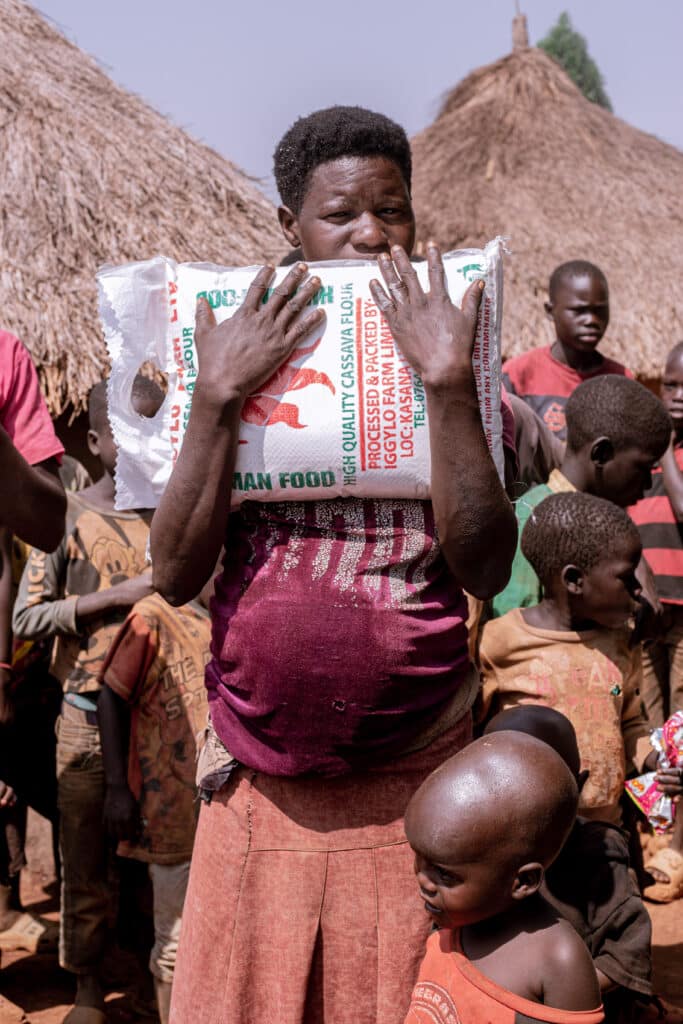
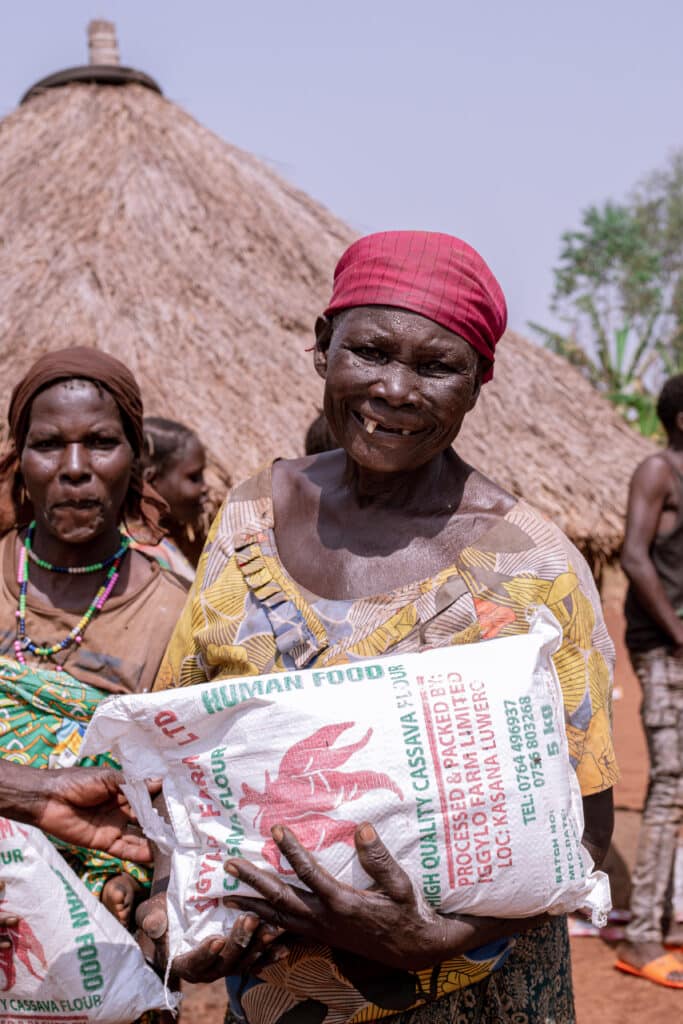
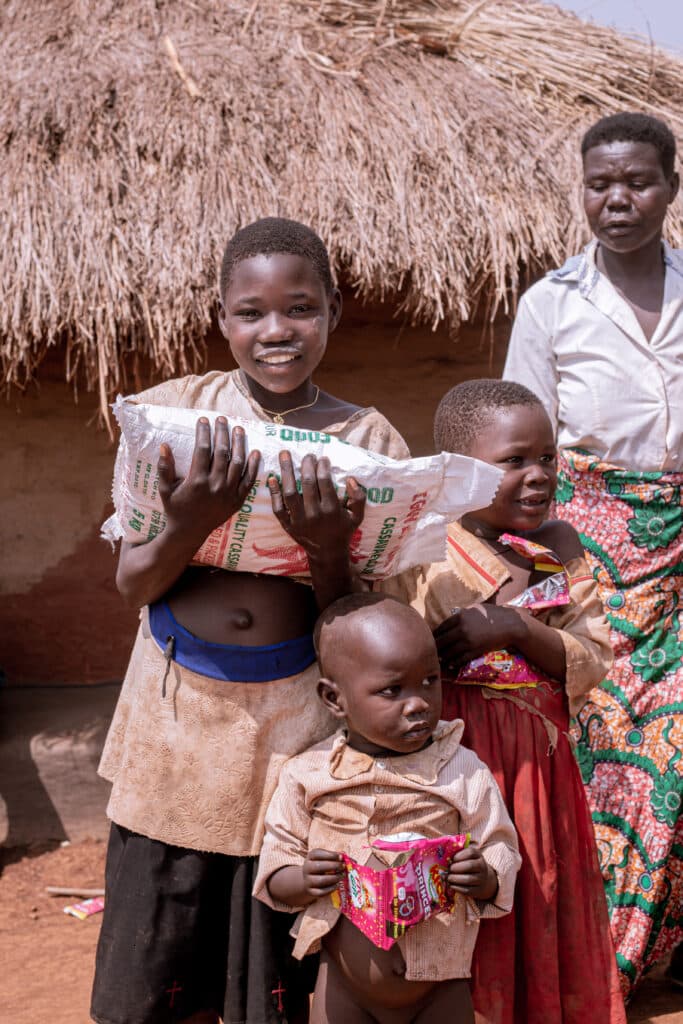
These widows carried the food as if they were carrying babies—carefully, closely, and with deep emotion. In their grip, you could sense not only relief but passion, the urgency of survival, and the dignity restored by being remembered. It echoed the Scripture where Jesus said, “For I was hungry, and ye gave me meat” (Matthew 25:35). Food was not just provision; it was reassurance that God had not forgotten them.
The Bible speaks clearly about God’s heart for widows. “A father of the fatherless, and a judge of the widows, is God in his holy habitation” (Psalm 68:5). As JFM stood with these women, we saw this verse come alive. God defends widows, but He often does it through willing hands. Being present, sharing food, and showing care became a reflection of His character.
Scripture also teaches that helping widows is not optional for believers; it is true worship. “Pure religion and undefiled before God and the Father is this, To visit the fatherless and widows in their affliction” (James 1:27). In that moment, with sacks of food held tightly against tired bodies, we understood that obedience to God is deeply practical. Faith was expressed in cassava flour, shared meals, and restored hope.
The Word of God goes even further, promising that such acts touch God Himself. “He that hath pity upon the poor lendeth unto the LORD; and that which he hath given will he pay him again” (Proverbs 19:17). As we served these widows, we thanked God that we were not just giving food—we were fulfilling His Word. What a privilege to lend to the Lord by caring for His daughters.
Today, we thank God that He enabled JFM to fulfill this scripture in action. We did not only speak the gospel; we lived it. As Isaiah commands, “Learn to do well; seek judgment, relieve the oppressed” (Isaiah 1:17). May God be glorified through every widow fed, every tear eased, and every promise fulfilled, as we continue to serve Him by serving the least among us.

About Author