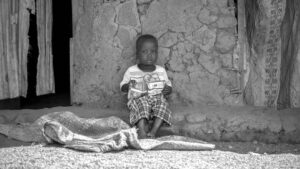
Little Hasifah moved through her village in silence, yet her silence spoke louder than the words she could not form. Being deaf and unable to talk made her an easy target for rejection. Other children ran past her without inviting her to join their games, and many adults looked at her with pity instead of compassion. She longed to belong, to feel valued, to know that she mattered just as much as any other child. But the loneliness around her became a daily companion.
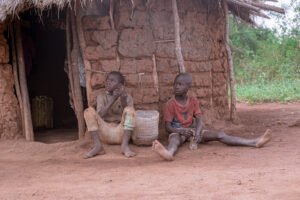
At home, her mother tried her best, but life’s hardships overwhelmed them. Without support from society, Hasifah spent most of her days sitting alone, drawing shapes in the dust or watching other children laugh from a distance. She understood more than people assumed; she felt every cold glance, every moment she was pushed aside, every whisper that she was “different.” Her heart carried a heavy burden for a child so young.
When JFM met her, we immediately sensed the silent cry inside her. Instead of turning away like the rest of the village, they knelt to her level and greeted her with warmth. Through gentle gestures, smiles, and kindness, they showed her the love she had been denied for so long. She responded with a shy but bright smile—one that revealed a spark of hope she had almost lost. For the first time in a long while, she felt seen.
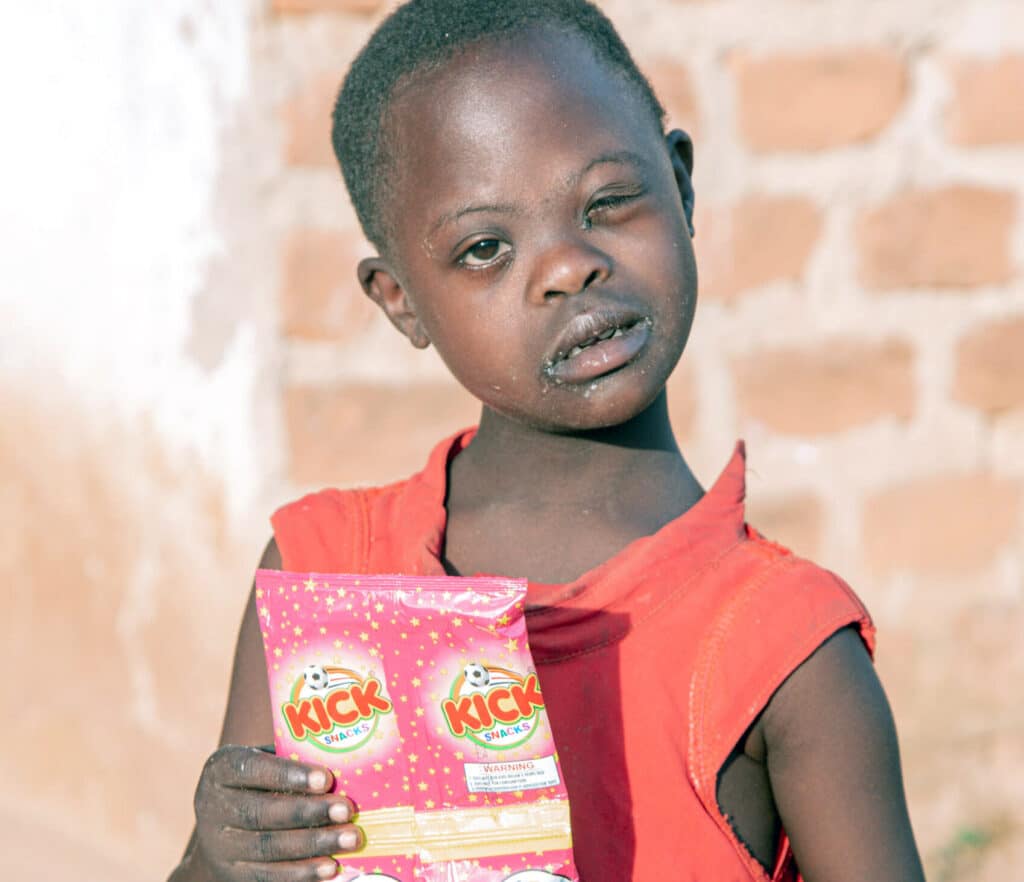
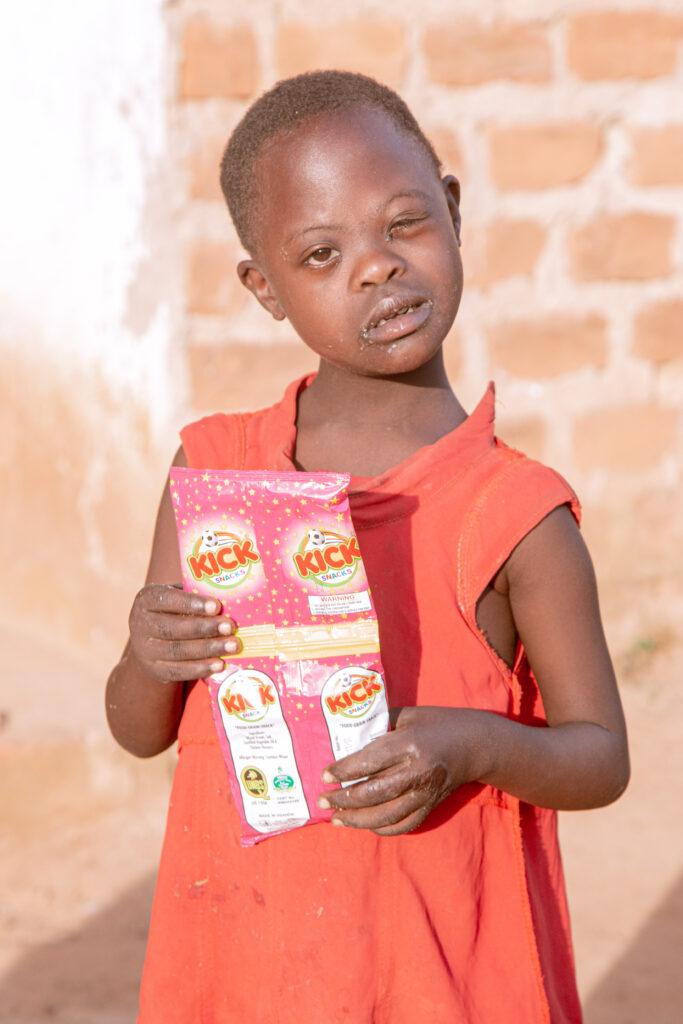
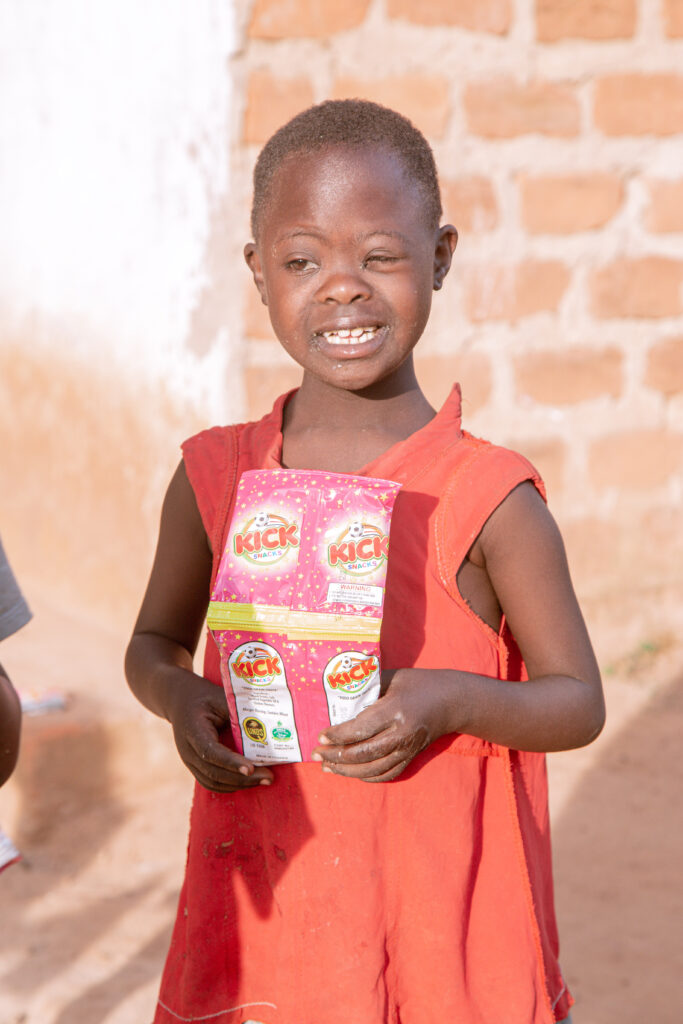
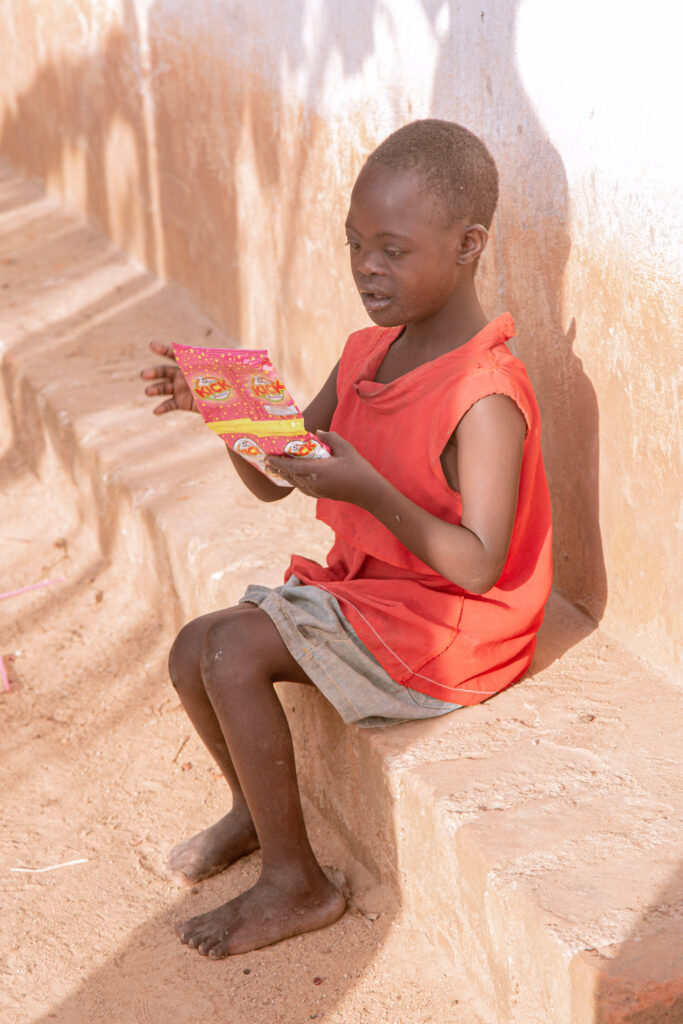
As snacks were placed in her little hands and love surrounded her, JFM reminded her that she is precious, created by God, and worthy of dignity. Their visit became a turning point not only for Hasifah but also for those who witnessed it. The community saw that she is not a burden or a mistake, but a child deserving of compassion. In that moment, the love shared broke through her isolation, proving that even in silence, God’s grace speaks louder than rejection.
About Author