Uganda has walked through seasons of political tension that deeply affect ordinary people. During the presidential elections, the nation experienced an internet shutdown that lasted about four days, cutting families off from communication, information, and income. For many, the internet is not a luxury but a lifeline—used to run small businesses, send money, or reach loved ones. When it went silent, the poorest felt it first and felt it hardest, reminding the world how fragile life already is for millions of Ugandans.
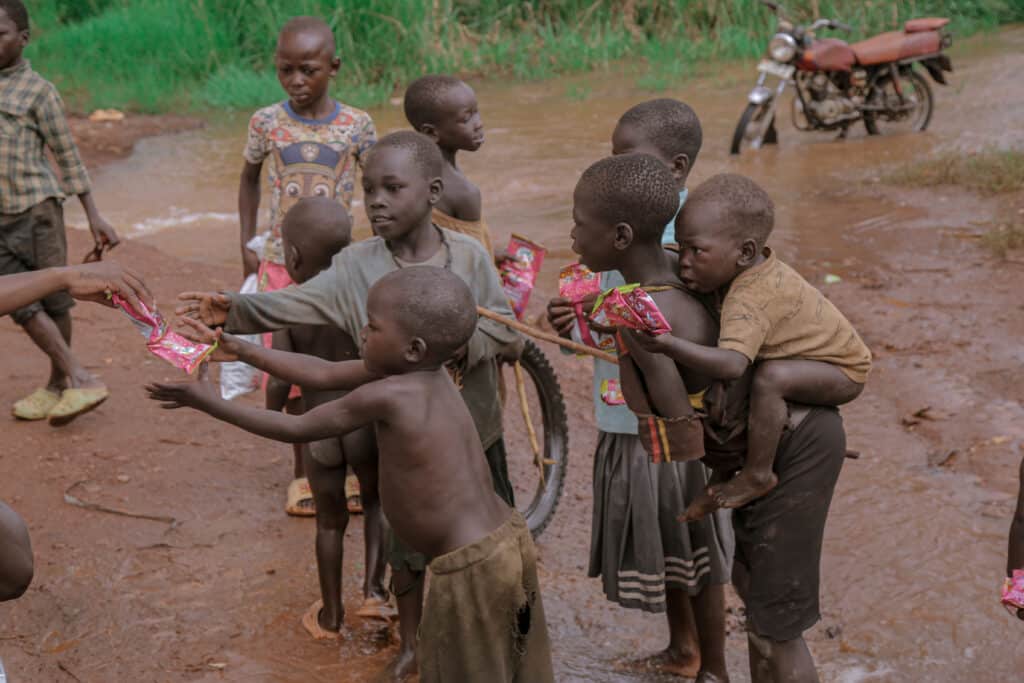
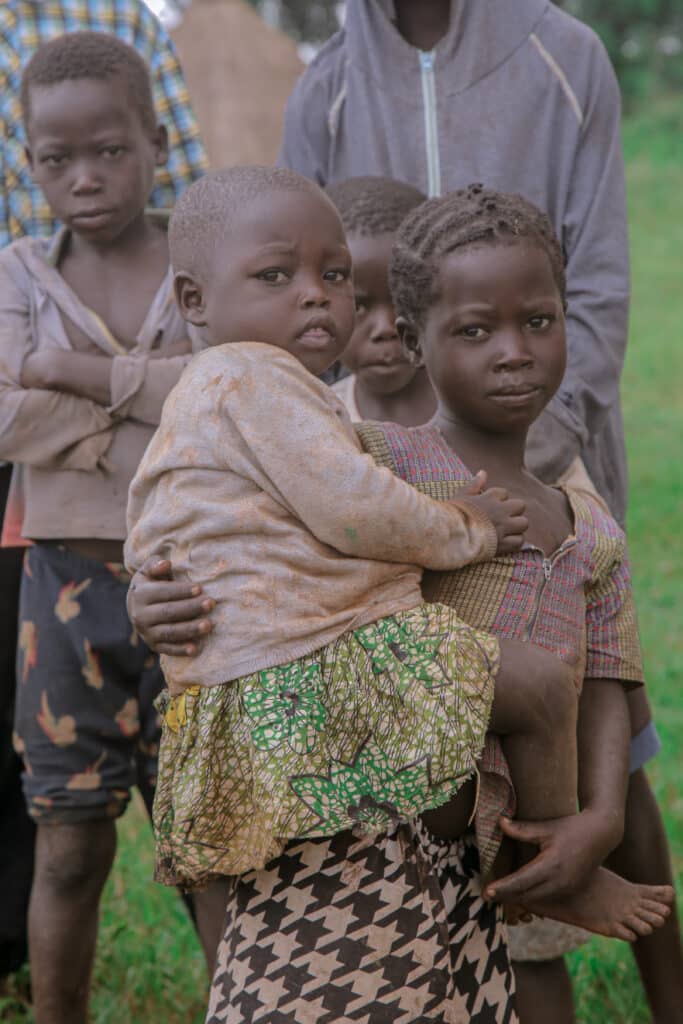
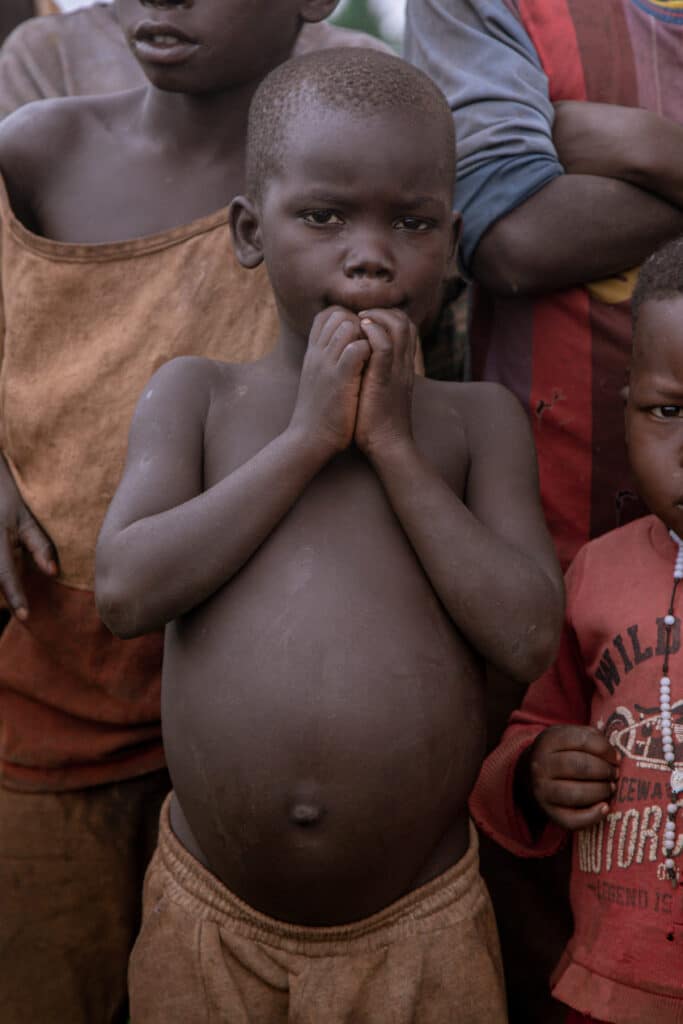
Though Uganda is rich in culture, land, and human potential, it remains among the poorest countries in the world. The struggle is not abstract; it is daily and personal. On average, many families survive on about two US dollars a day, an amount that must stretch to cover food, shelter, medical needs, and school fees. Each sunrise brings the same question: how will we eat today? For parents, the pain of not knowing how to provide for their children is heavier than hunger itself.
In moments of national uncertainty, resilience becomes a way of life. Communities lean on one another, sharing what little they have, while mothers and fathers work tirelessly in gardens, markets, and roadside stalls. Even when systems fail and voices are silenced, hope persists in small acts of kindness and in the determination to endure. The strength of Uganda’s people is seen not in comfort, but in survival against overwhelming odds.
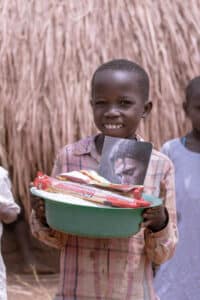
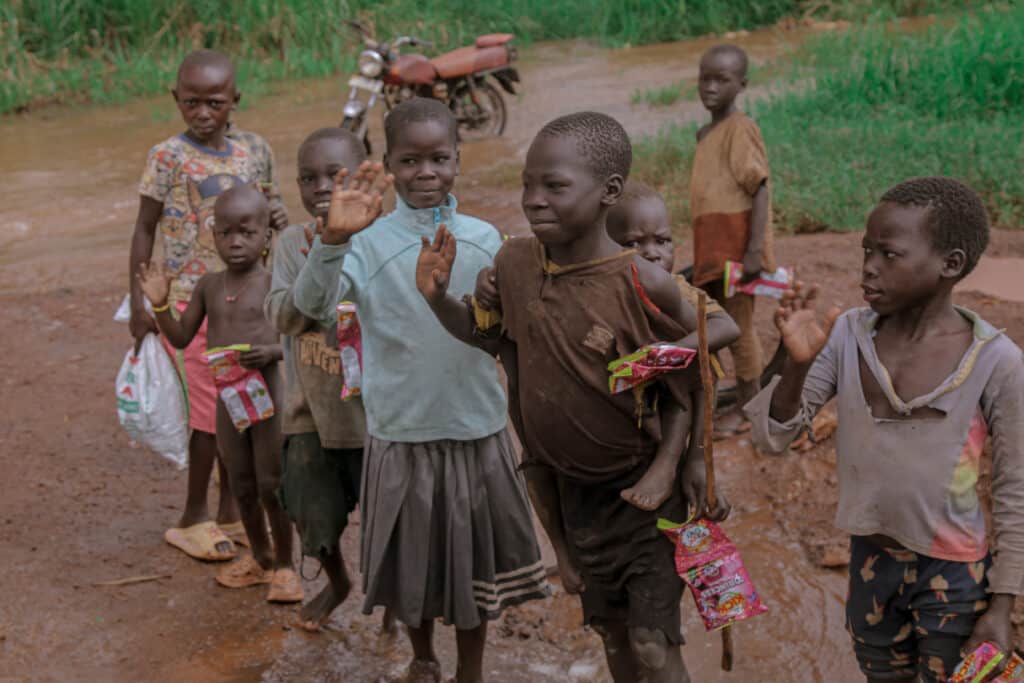
The image of a child holding a simple meal speaks louder than statistics. It reflects a nation where innocence grows up too fast, yet still reaches for life with trust. Uganda’s story is one of hardship, but also of dignity. It is a call for compassion, justice, and solidarity with families who live on the edge every day, believing that tomorrow can be better than today.
About Author