Our programs
7 programs, and 997 reports on what they did.
Food is the daily work and always has been. Everything else grew out of it because a family that eats this week still needs a clinic, a school, and a trade.
A gift box, carried to one house
Nothing here is symbolic. These are the actual contents, chosen because they are what people in these villages already know how to cook, and priced in what the ministry actually pays.
- Food
- $35
- Gospel tracts
- about $10
- One complete gift
- $45
- Per person fed
- $1.40
Printed locally, so $10 buys enough gospel tracts for the whole village, not just the one household.
This is the ministry's average cost per person fed across everything it buys, not $45 divided by the people in one home. A single delivered gift and the program-wide average are two different measurements.
Send one giftThe food
Rice
Delivered 100 lbs at a time and split by family size. Rice is a treat, usually too expensive to keep in the house.
Local beans
Uganda grows a surplus and exports it, which does not mean a struggling household can buy any.
Watermelon
Grown locally, and one of the few things in the gift box a child will eat on the spot.
Sugar
Plain, no additives. A household staple that is quietly unaffordable.
Sweets for the children
Every home visited has children in it, usually about five, and the sweets are picked with them in mind.
Carried with it
Adult Bible
In English or in Luganda, whichever the household actually reads.
Children's Bible
One per family.
Gospel tracts
Written and printed locally because Bibles are expensive and a village is larger than two Bibles.
Mattresses
Given out often, to families who have been sleeping on the bare floor.
A cash note
Usually 20,000 UGX, left with the family for what the gift box does not cover.
01 · Villages and landing sites, Nakaseke District and beyond
Food Gifts
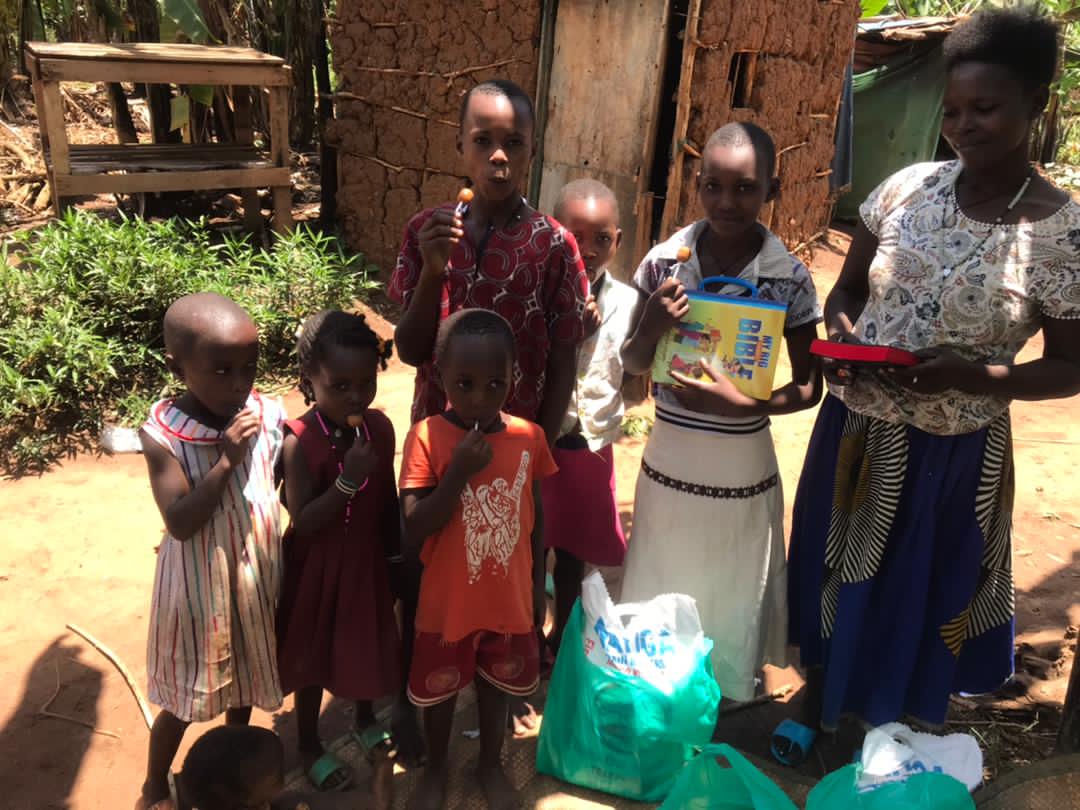
This is the work almost every report on this site describes. The team travels to a household, sits with the family, prays with them, hands over the food, and leaves a Bible or a Gospel Tract behind. Then they write down what happened and who it happened to.
02 · Nakaseke District, Uganda
Miracle Medical Center
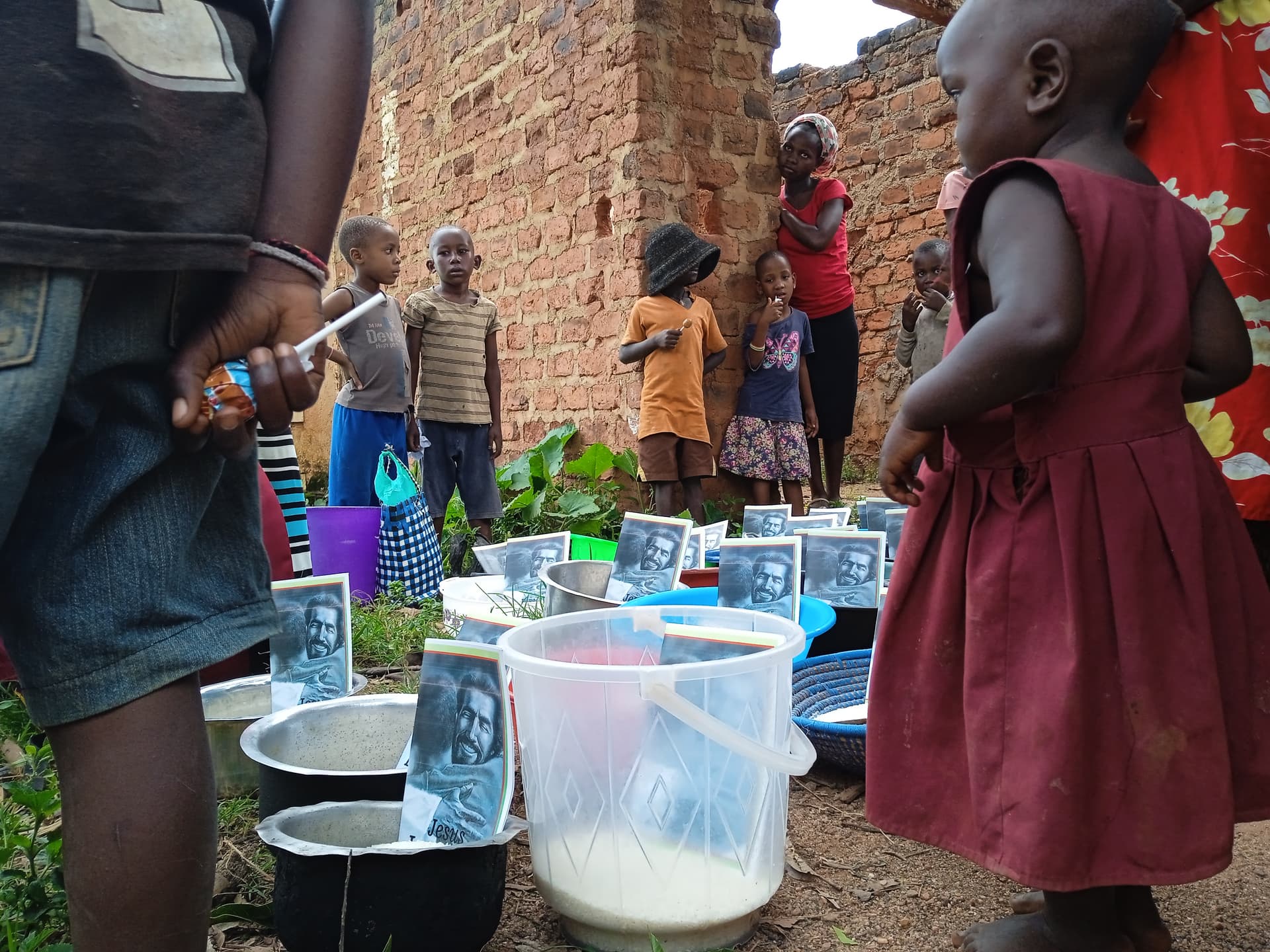
In Nakaseke District, Uganda, Miracle Medical Center provides affordable medical care where hospitals are scarce and resources are few. Families who once had no access to professional treatment can find doctors, nurses, and essential medicines here to care for their children, deliver safe births, and treat common illnesses.
03 · Uganda
Mashariki Children's Home
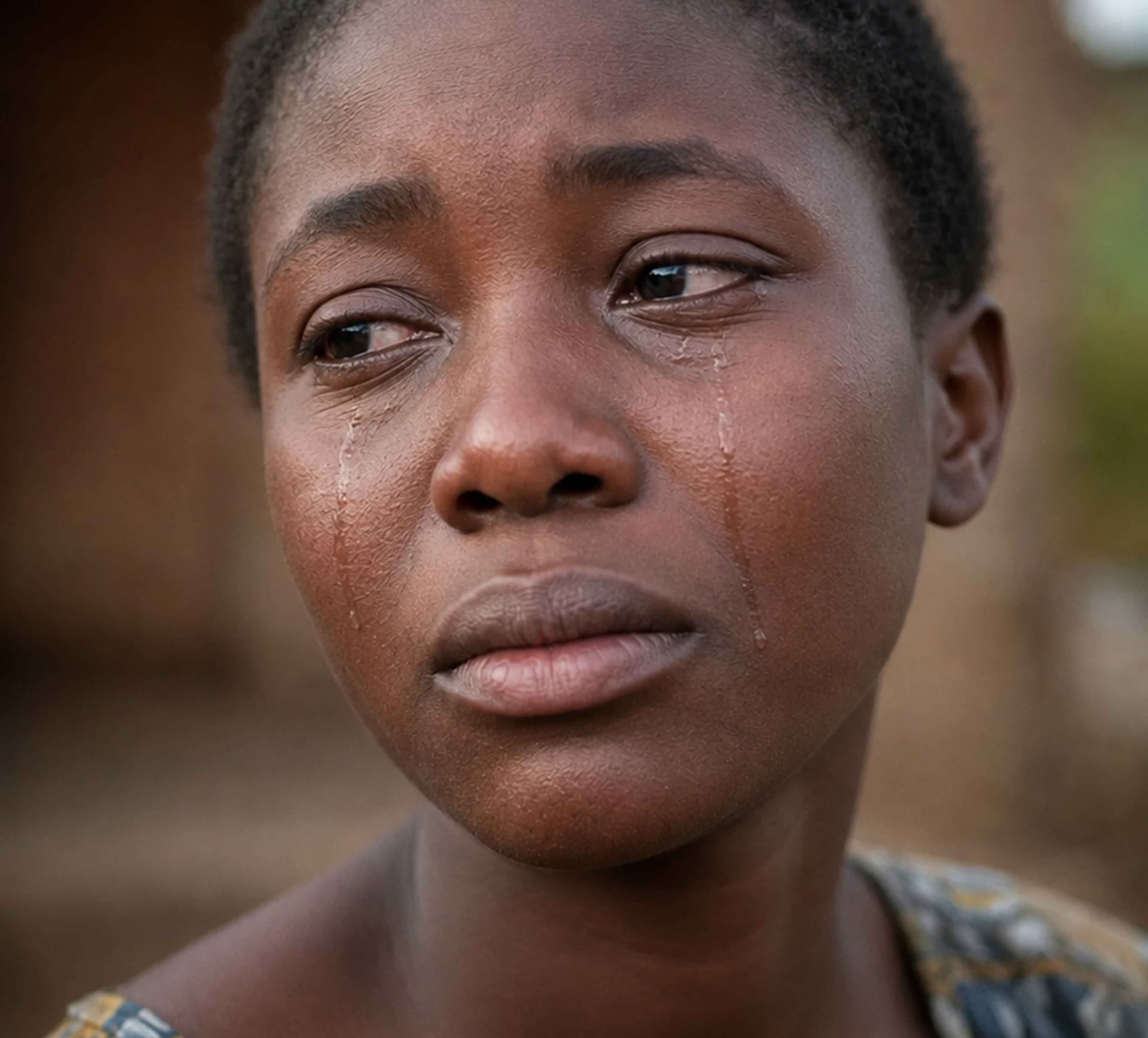
Mashariki is where children who have nowhere else actually live. The reports from here read like ordinary family news: grades, term results, a birthday, someone moving up to a higher class.

04 · Uganda
Nazareth Nursery
At Nazareth School in Uganda, young children gather to learn, share meals, and hear about the love of JESUS CHRIST. Through the generosity of JesusFedMe donors, hungry children receive food and the Gospel, reminding them that GOD cares for them and they have not been forgotten. Around a shared meal, laughter and fellowship turn an ordinary school day into an opportunity to show His love.
05
School Sponsorship
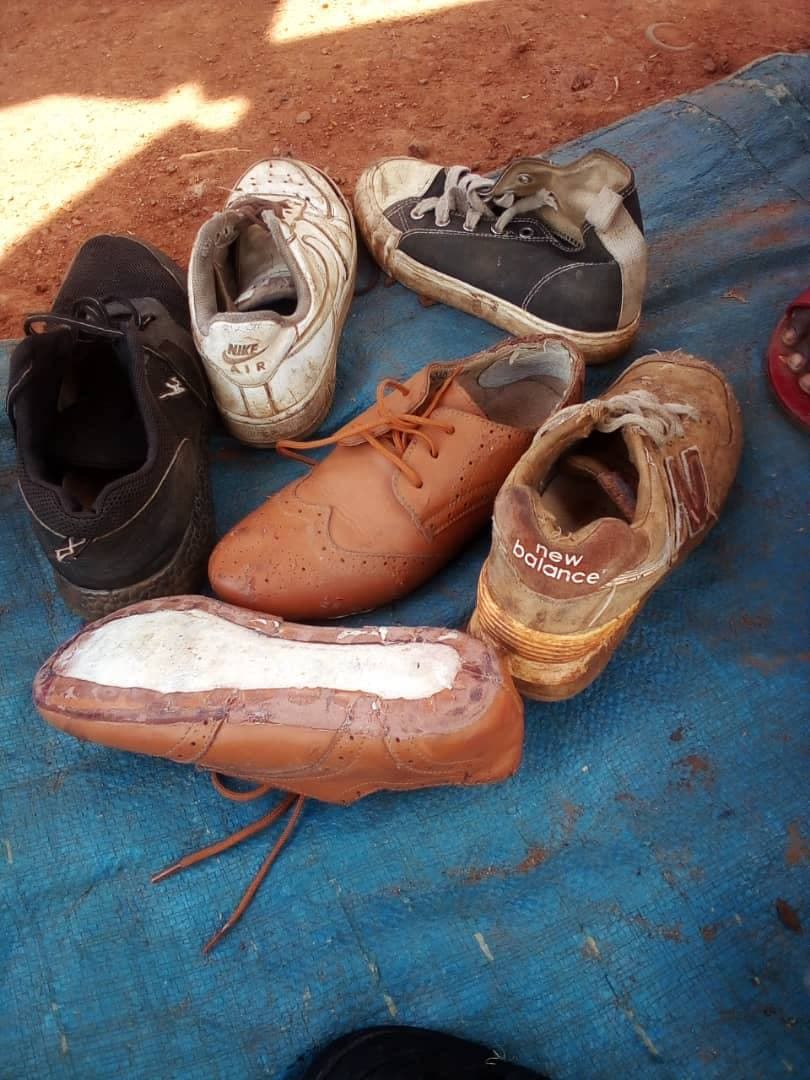
In Uganda, a child usually does not leave school because the family has stopped caring. They leave because school fees are due and the family cannot pay, or because their uniform has worn out and the family cannot afford to replace it.
06 · Uganda
CVTI Institute
Under construction, reported as it is built
CVTI is the longest-horizon thing Jesus Fed Me is doing. Food answers this week. A trade answers the next twenty years.
07
Bibles and Gospel Tracts
Every food gift carries Scripture with it: an adult Bible for the older members of a household and a children's Bible for the family. They come in two languages, English and Luganda because a Bible someone cannot read is a gift in name only.